
Laminate Flooring for Kitchens in South Africa: What to Know

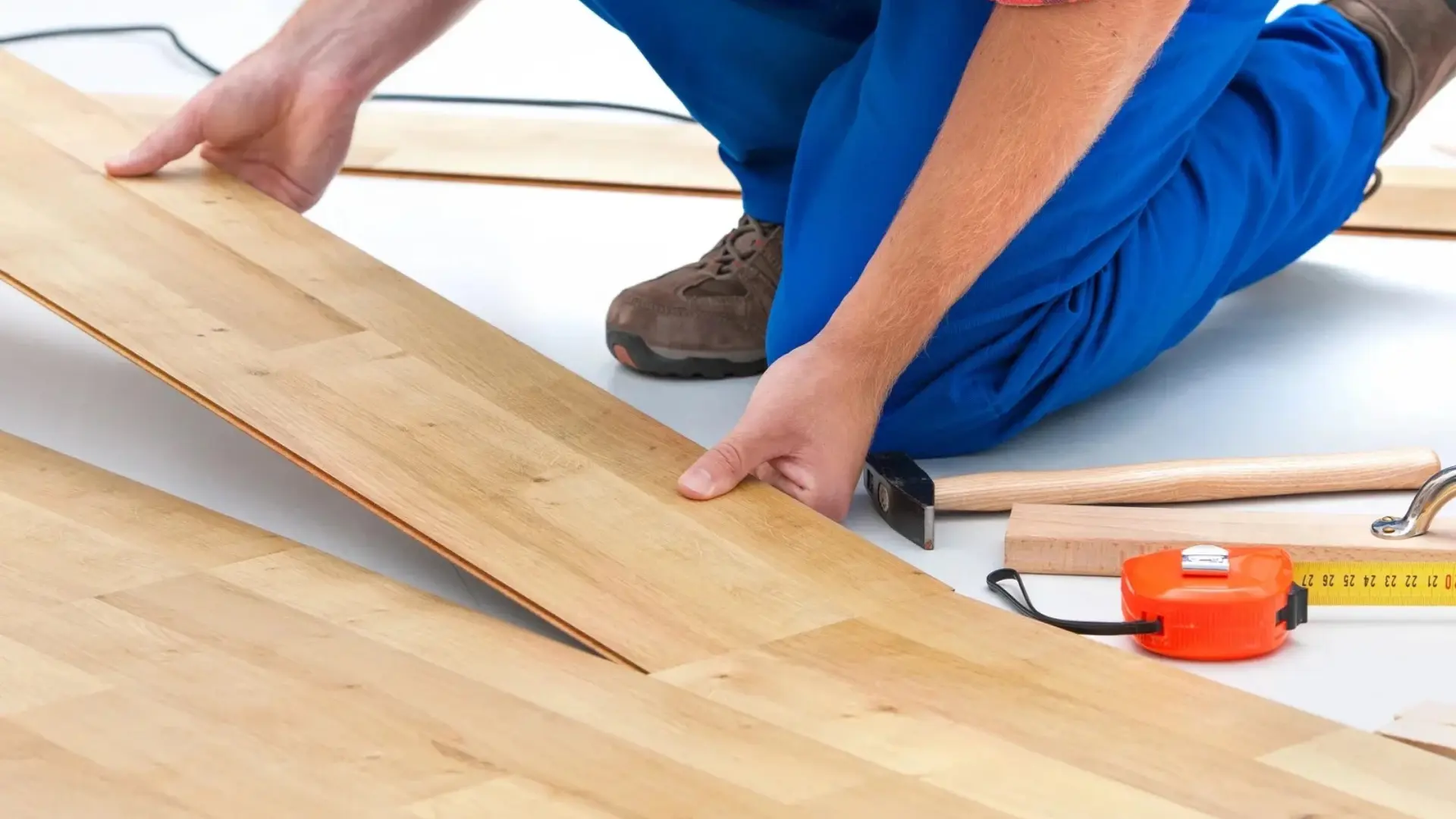
Laminate flooring for kitchens can be a practical choice for South African homes when you select the right product and install it correctly. A kitchen floor needs to handle daily foot traffic, food spills, chairs, pets and changing temperatures while still looking neat.
The key is choosing a laminate range approved for kitchen use, preparing the subfloor properly and managing moisture from the start. With the right planning, laminate can bring a warm timber-look finish to kitchens in Pretoria, Johannesburg and across South Africa without the cost of real wood.
What You Will Learn From This Blog
- Which laminate features matter in a busy kitchen
- How to manage moisture, subfloor preparation and expansion space
- Why the right underlay and edge protection matter
- Kitchen design choices that stay practical over time
- How to clean laminate flooring safely
- When vinyl or tile may be the better option
1. Choose the Right Laminate Flooring for Kitchens
Start with the product specification, not only the colour sample. Kitchen flooring needs to suit the way the room is used, as well as the design you want to achieve. A laminate range that works well in a quiet bedroom may not be the best option for a family kitchen, rental property or open-plan living area.
Features to Look For
- Water resistance: Choose a laminate product clearly rated or approved for kitchen use.
- Wear rating: Consider AC4 or AC5 where the manufacturer confirms it suits your expected traffic level and kitchen use.
- Stable core construction: A high-density core can support a more stable floor when the subfloor and installation are correct.
- Surface texture: Matte or textured finishes often hide everyday marks and crumbs better than high-gloss finishes.
- Kitchen warranty terms: Check that kitchen use is included and confirm the installation steps required to keep the warranty valid.
Water-resistant does not mean careless with water. Even a water-resistant laminate floor should not be left with standing water, leaks or repeated soaking at the joints. Wipe spills promptly and deal with plumbing problems as soon as possible.
For an example of water-resistant laminate technology and its limits, see Finfloor’s product guidance.
Quick Answer: Is laminate flooring suitable for kitchens?
Yes, laminate flooring can suit a kitchen when the product is approved for kitchen use, moisture is managed and spills are cleaned promptly.
2. Prepare for Moisture and Subfloor Conditions
Good installation starts below the planks. A kitchen subfloor should be clean, dry, firm and level before laminate flooring is fitted. Concrete slabs and screeds need particular attention because moisture below the surface can cause problems after installation.
Important Preparation Steps
- Check the subfloor for moisture and address high readings before installation.
- Ensure the floor is level and repair dips, ridges, cracks or loose areas where necessary.
- Use a suitable vapour barrier on concrete or screed when the product requirements call for one.
- Choose an underlay approved for laminate flooring and appropriate for the subfloor.
- Allow the flooring to acclimatise in the kitchen according to the manufacturer’s instructions before fitting.
Expansion space is also essential. Laminate is generally installed as a floating floor, so it needs room to expand and contract around walls, units, pipes and doorways. Do not trap it beneath fixed kitchen cabinets or screw skirting into the laminate itself.
For South African guidance on levelling and moisture-barrier preparation for floating laminates, refer to TAL’s installation guideline.
3. Protect the Most Exposed Kitchen Areas
The areas around sinks, dishwashers, fridges with water lines and sculleries need extra care. Small amounts of water are part of normal kitchen life, but repeated moisture reaching the edges or below the flooring can damage laminate over time.
- Clean up spills as soon as possible, especially near joins and perimeter edges.
- Use suitable edge protection and finishing methods where required by the selected product.
- Place a practical absorbent mat near the sink, but avoid rubber-backed mats that may trap moisture underneath.
- Check appliance connections regularly for slow leaks.
- Use felt pads beneath chair and stool legs to limit surface scratching.
For full bathrooms or areas that regularly experience water on the floor, choose a product designed for that environment. Vinyl or tile is often a better fit where there is frequent standing water, such as a busy scullery, bathroom or laundry.
To compare which flooring option may suit your kitchen best, read Carpet & Decor’s vinyl-versus-laminate flooring guide.
4. Design Ideas That Work in South African Kitchens
Laminate flooring can help a kitchen feel warmer and more connected to the rest of an open-plan home. The right colour, plank size and finish can make the room look more considered while still being practical for everyday use.
- Mid-tone oak, ash and natural wood-look finishes often hide dust and everyday marks better than very dark or very pale colours.
- Wider planks can create a calmer, more spacious look in compact kitchens and open-plan areas.
- Matte finishes are usually more forgiving than high-gloss surfaces in a working kitchen.
- Matching trims and transitions give the space a neat, finished look between the kitchen and adjoining rooms.
- For rooms with strong afternoon sun, use blinds or window coverings to help manage heat and direct sunlight.
5. Clean and Maintain Laminate Flooring Properly
A simple care routine helps laminate flooring keep its appearance for longer. The main rule is to avoid excessive water and harsh cleaning methods that can affect the joints or core over time.
- Sweep or vacuum regularly using a setting suitable for hard floors.
- Use a lightly damp microfibre mop rather than a soaking wet mop.
- Use a cleaner recommended for laminate flooring and avoid abrasive products.
- Do not use a steam mop unless the product manufacturer specifically permits it.
- Wipe spills promptly before moisture reaches the joints or edges.
- Protect the floor during painting, renovations or appliance moves.
6. When Vinyl or Tile May Be Better Than Laminate
Laminate flooring is not the only option for a kitchen. It is a strong choice for many kitchens, particularly where homeowners want a warm wood-look finish and normal household spill management is realistic. However, vinyl or tile may be more suitable where the room is regularly exposed to water or where the household needs maximum moisture tolerance.
- Choose laminate when you want a timber-look finish, a comfortable feel underfoot and a kitchen-approved product that will be maintained carefully.
- Consider vinyl or SPC where moisture resistance is the priority, including busy sculleries, rentals, pet areas and spaces with regular spills.
- Consider tile where long-term water exposure, heat and heavy-duty cleaning are expected.
Carpet & Decor offers laminate flooring options for homes and commercial spaces. Feel free to view the laminate flooring range.
Conclusion
Laminate flooring for kitchens can work well in South Africa when the product, preparation and installation all match the space. Choose a kitchen-suitable range, prepare the subfloor properly, manage moisture, maintain the required expansion space and clean spills quickly.
For help comparing laminate, vinyl and other kitchen flooring options, speak to the Carpet & Decor team about the best solution for your home, budget and lifestyle.
Need Help Choosing Kitchen Flooring?
Speak to Carpet & Decor about laminate, vinyl and other flooring options that suit your kitchen, budget and lifestyle.
Frequently Asked Questions
Is laminate flooring suitable for kitchens?
Yes, when you select a kitchen-approved range and manage spills quickly.
What laminate rating is best for a busy kitchen?
AC4 or AC5 may suit busy kitchens when the manufacturer approves it.
Can I mop laminate flooring in a kitchen?
Use a lightly damp microfibre mop and avoid soaking the floor.

