
SPC vs Glue-Down Vinyl: Which Is Better for Sun-Filled Rooms?

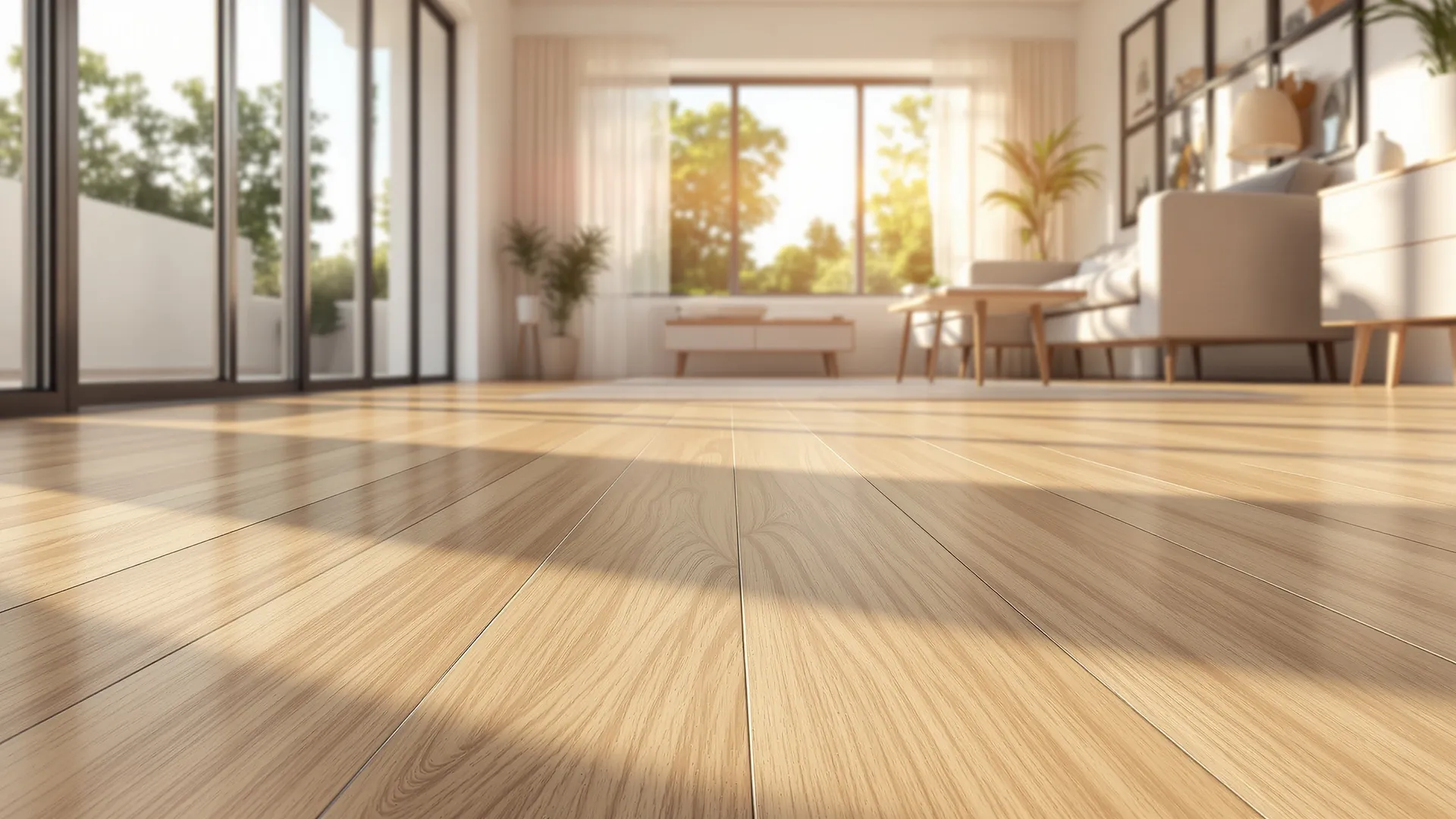
Strong direct sunlight can affect any flooring system, especially in rooms with large windows, stacker doors or north-facing glazing. When comparing SPC vs glue-down vinyl, the best choice depends on the room’s heat exposure, subfloor condition, installation method and the manufacturer’s requirements for the specific product.
For many sun-filled homes in Pretoria, Johannesburg and other South African areas, glue-down vinyl can be a sensible option because it is bonded to the subfloor. SPC can also work well, particularly where homeowners want a fast installation and strong everyday durability, but it still needs correct perimeter expansion space and heat control.
What You Will Learn From This Blog
- How SPC and glue-down vinyl respond to direct sunlight and heat
- When glue-down vinyl may be the stronger choice
- Where SPC can still be a practical option
- Why subfloor preparation and installation details matter
- How blinds and window coverings can help manage heat
- What to check before choosing vinyl flooring for a sunny room
The Short Answer: Which Vinyl Flooring Is Better in Sunny Rooms?
There is no single answer for every sunny room. Glue-down vinyl is often preferred where a room receives prolonged, intense direct sunlight because the planks are adhered to a prepared subfloor rather than floating as one connected surface. This can reduce movement when room temperatures change.
SPC is a rigid click vinyl floor that is popular for its waterproof construction, durability and efficient installation. It can perform well in bright rooms when the product’s temperature limits are respected, the floor has the required expansion space and direct heat is reduced with suitable window coverings.
The most important point is that direct sunlight can create heat-related risks for both options. Check the product warranty and installation instructions rather than choosing only by flooring type.
Quick Answer: Which vinyl is better for intense direct sun?
Glue-down vinyl is often the more stable choice in prolonged direct sun. SPC can still work when heat control, expansion gaps and product-specific rules are managed properly.
How Heat and Direct Sunlight Affect SPC and Glue-Down Vinyl
SPC Flooring
SPC has a rigid core and can be more forgiving of minor subfloor imperfections than thinner glue-down vinyl. Because it is usually installed as a floating floor, it needs uninterrupted perimeter space and correct transitions so that the system can respond to temperature changes without pressure building up.
In rooms with large glass doors, direct afternoon sun or strong reflected heat, poor expansion planning can increase the risk of movement at joins or around fixed objects. Blinds, curtains and sun-control glazing can help reduce the heat load on the floor.
Glue-Down Vinyl
Glue-down vinyl is installed directly onto a smooth, dry and properly prepared subfloor. Because each plank is bonded in place, it has a more anchored feel and can be a strong choice for rooms where dimensional stability is the main priority.
However, glue-down vinyl is not a shortcut for poor conditions. The adhesive, product and subfloor must all be suitable for the room. Excessive heat can still affect adhesive performance, which is why direct sunlight, acclimatisation and installation requirements should always be checked.
For broader guidance on how window films can help reduce passive heat gain through glass, see this research article on window films and thermo-solar properties.
When SPC Is a Good Choice
SPC may be suitable for a sun-filled room where sunlight is limited, intermittent or manageable with blinds, curtains or suitable glazing. It can also suit projects where installation speed, water resistance and everyday impact resistance are important.
- Bedrooms, lounges and passages with controlled sunlight
- Homes where fast installation is important
- Busy family spaces where water resistance and easy maintenance are valued
- Renovation projects with a reasonably level subfloor
- Rooms where the product’s expansion limits and temperature requirements can be met
When Glue-Down Vinyl May Be Better
Glue-down vinyl may be the better option for a room with large areas of glazing, extended direct sun and frequent daily temperature changes. It is also well suited to projects that need a low-profile floor finish or a more fixed, commercial-style installation.
- Sun-facing lounges with floor-to-ceiling windows
- Rooms with wide sliding or stacker doors
- Open-plan areas where a floating floor would need multiple transitions
- Retail, office or other high-traffic spaces
- Projects with a smooth, dry subfloor that can be prepared for adhesive installation
Start With the Subfloor and Installation Plan
The flooring system is only part of the decision. A successful vinyl installation starts with a suitable subfloor. Both SPC and glue-down vinyl require a clean, dry and level base, but glue-down vinyl is especially dependent on a smooth surface because imperfections can show through over time.
Checklist Before You Choose
- Map direct sunlight across the day, including hot afternoon periods.
- Identify large windows, sliding doors and areas where heat builds up.
- Check the subfloor for moisture, flatness, cracks and previous-flooring residue.
- Confirm whether blinds, curtains, shutters or sun-control glazing will be used.
- Ask for the product data sheet, installation instructions and warranty conditions.
- Use an installer who understands the selected product and the room conditions.
For general South African building guidance around floors, moisture and safety, refer to the SANS 10400 floors guidance.
Use Window Coverings to Manage Floor Heat
Window coverings can form part of the flooring plan in a sun-filled room. They help manage glare, heat and direct sunlight at the times of day when the room is hottest. This is useful for both SPC and glue-down vinyl, particularly close to sliding doors and full-height windows.
For large windows and doors, Carpet & Decor offers blinds that can help homeowners control light while maintaining privacy and comfort. Check out our blinds collection.
Compare the Feel, Cost and Everyday Use
Installation and Subfloor Preparation
SPC often installs more quickly because it uses a click system, although subfloor preparation still matters. Glue-down vinyl can require more time and preparation, including smoothing and priming where necessary, but it offers a more permanently bonded result.
Comfort and Sound
SPC generally has a firmer feel due to its rigid core. Glue-down vinyl is thinner and has a more direct feel underfoot. The final comfort and sound performance will depend on the specific product, subfloor and installation system.
Maintenance
Both options are generally easy to maintain when cleaned according to the manufacturer’s instructions. Use mats at entrances, felt pads under furniture and avoid dragging heavy items across the floor. In sunny spaces, move rugs occasionally to reduce uneven colour changes between covered and uncovered areas.
Explore Vinyl Flooring Options from Carpet & Decor
Carpet & Decor supplies vinyl flooring options for homes, offices, retail spaces and other projects. A flooring consultation can help you compare the room’s sunlight, subfloor, traffic levels and design goals before choosing between SPC and glue-down vinyl.
Browse Carpet & Decor’s vinyl flooring range to make the final choice.
Conclusion
For sun-filled rooms, the right decision is not simply SPC versus glue-down vinyl. It is about matching the flooring system to the amount of direct sun, the room temperature, the subfloor condition and the installation requirements.
Glue-down vinyl is often a strong choice for intense and prolonged direct sunlight because it is bonded to the subfloor. SPC remains a practical option for many bright spaces when heat is managed and installation requirements are followed carefully. Speak to Carpet & Decor before installation to choose a vinyl floor that is suited to your home, office or commercial project.
Need Help Choosing Vinyl Flooring for a Sunny Room?
Speak to Carpet & Decor about SPC, glue-down vinyl and suitable solutions for the sunlight, subfloor and lifestyle needs of your space.
Frequently Asked Questions
Does direct sunlight affect SPC flooring?
Yes, high heat can affect SPC, so follow temperature and expansion rules
Is glue-down vinyl better near large windows?
Often yes, because bonded planks can provide greater stability in heat.
Can blinds help protect vinyl flooring from heat?
Yes, blinds can reduce direct sunlight and help manage room heat.

