
How to Choose Blinds Based on Morning, Afternoon and All Day Sun

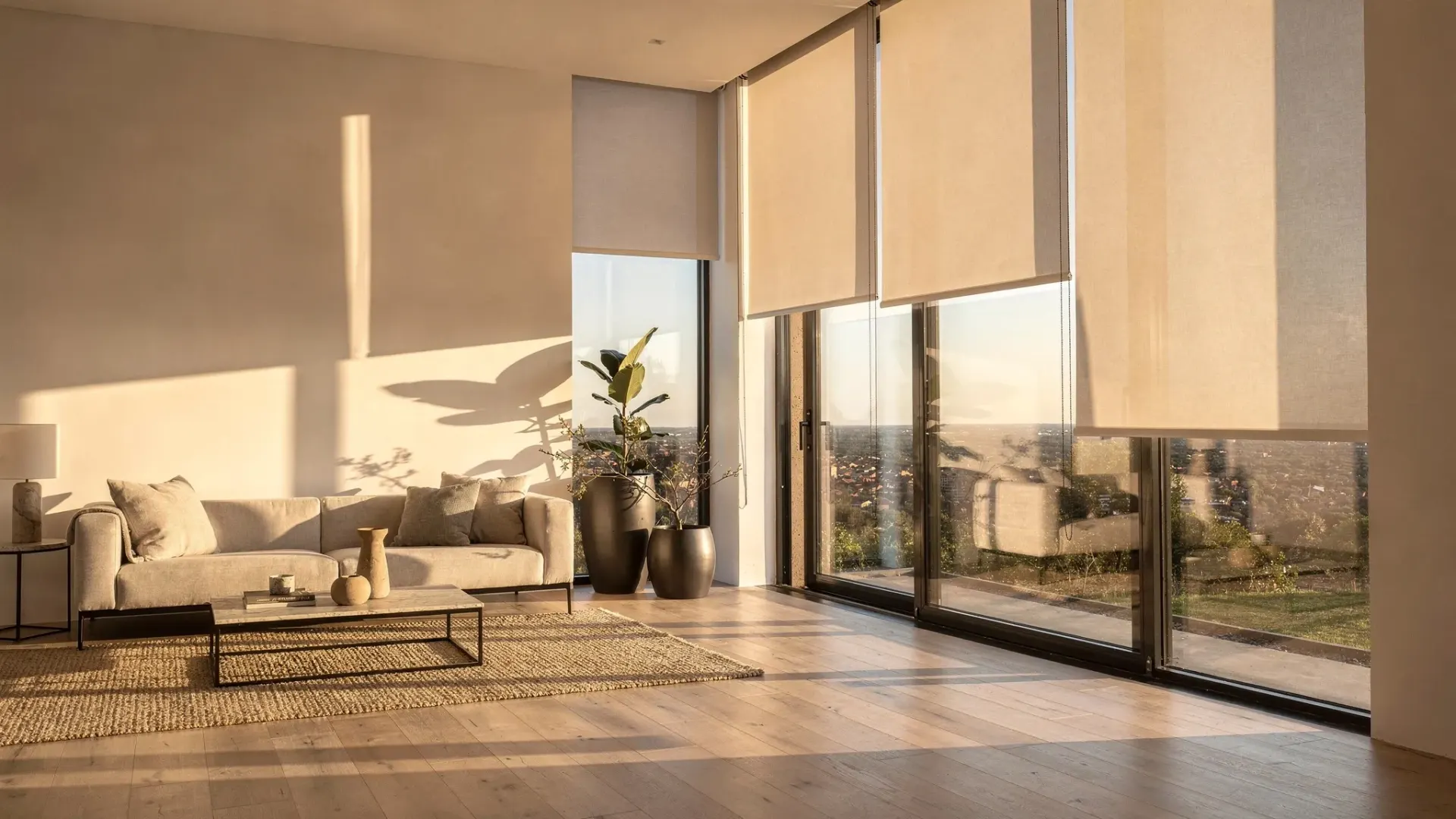
Choosing blinds for morning, afternoon and all day sun starts with understanding how sunlight moves through your home. Morning, afternoon and all day sun can affect glare, heat, privacy and the comfort of each room differently. By considering the direction of the windows, how the room is used and the level of light control required, you can choose blinds that provide practical protection while complementing your interior.
Quick Answer
Choose blinds according to when direct sunlight reaches the window and what you need the blind to control. East facing rooms usually need gentle morning glare control. West facing rooms need stronger protection from late afternoon glare and heat. North facing rooms in South Africa often need flexible control for longer periods of sun, while south facing rooms usually place more emphasis on privacy and preserving daylight. Always compare the actual fabric, lining and performance information before deciding.
Sun direction is a useful starting point, but it is not the only factor. Window size, nearby buildings, roof overhangs, glass type, season and the way a room is used can all change the result. The most suitable blind is the one that balances daylight, comfort, privacy and the view for that specific window.
Why Sun Direction Matters When Choosing Blinds
The direction a window faces influences when direct light enters the room. In South Africa, east facing windows receive morning sun, west facing windows receive stronger light later in the day, and north facing windows generally receive more sunlight over the course of the year. South facing windows usually receive softer and more indirect light, although local shading and seasonal conditions still matter.
Effective daylight control requires a balance between natural light, glare and unwanted heat. Guidance from the United States Department of Energy guidance also explains that daylight design should consider heat gain, glare and changing light levels together. This is why a blind should not be selected by colour or appearance alone.
Before comparing products, observe the room at different times on a clear day. Note when the sun reaches the glass, whether it falls directly onto a screen or seating area, and whether privacy becomes a problem during the day or at night. This simple check gives you a more reliable brief than relying only on the direction shown by a compass.
Which Blinds Work Best for Morning Sun?
Morning sun usually enters east facing rooms at a lower angle. It can be pleasant and warming, but it may also create glare in bedrooms, kitchens, breakfast areas and home offices. The aim is often to soften direct light without making the room unnecessarily dark for the rest of the day.
Light Filtering Roller Blinds
A light filtering roller blind can diffuse bright morning light while allowing the room to remain naturally lit. Fabric density, colour and weave will affect the final result. A lighter fabric may feel brighter and more neutral, while a denser fabric may provide stronger glare control. Ask to see the fabric against daylight before ordering.
Solar Screen Blinds
Solar screen blinds can reduce glare while preserving some outward visibility. Their openness factor describes how open the weave is, but it should not be treated as a universal performance guarantee. A more closed weave generally provides stronger visual screening, while a more open weave usually preserves the view more effectively. Colour, backing and the glazing behind the blind also influence comfort.
Blackout Blinds for Bedrooms
Blackout blinds are useful where morning light interrupts sleep. However, blackout describes the fabric rather than a completely light sealed room. Light may still enter around the sides or above the blind, depending on the fit and installation. A separate sheer or solar layer can provide daytime control so the blackout blind does not need to remain closed after waking.
Which Blinds Work Best for Afternoon Sun?
West facing windows can be difficult because late afternoon sun arrives at a low angle and may create strong glare and noticeable heat near the glass. Lounges, bedrooms and home offices on this side of a building often need a more protective solution than rooms that receive only gentle morning light.
A Layered Blind Solution
A dual blind arrangement can combine a solar or light filtering layer for daytime use with a blackout or privacy layer for the evening. This gives the user more control than a single fabric that must handle every condition. The daytime layer can manage glare and preserve some view, while the second layer provides privacy and darker room conditions when required.
Cellular or Honeycomb Blinds
Cellular blinds contain pockets that can create an additional air layer near the window. Their performance varies according to the product, cell design, fit and installation. They may be worth considering where insulation and light control are both priorities, but product specifications should be compared instead of assuming every cellular blind performs in the same way.
Venetian Blinds
Aluminium, faux wood and other Venetian blinds allow the slats to be tilted as the angle of the sun changes. This can be useful where glare moves across a room during the afternoon. Venetian blinds can redirect light rather than simply blocking it, although gaps between the slats mean they may not provide the same darkness as a suitable blackout system.
Window coverings can help control unwanted solar gain when they are used appropriately. The United States Department of Energy window attachment research shows that results depend on the window, attachment type, climate and how the covering is operated. This supports choosing from real specifications rather than expecting one blind to deliver the same result in every home.
Blinds for Morning, Afternoon and All Day Sun: What Should You Consider?
North facing rooms in South Africa can receive sustained sunlight, especially where windows are large and not protected by deep overhangs or nearby structures. These rooms usually benefit from flexibility because the ideal setting may change from morning to afternoon and between seasons.
A solar blind can provide daytime glare control while retaining some connection to the outdoors. A lined curtain, Roman blind or blackout roller can then add privacy and stronger light control later. This layered approach is often practical for lounges, open plan living areas and large sliding doors because no single fabric needs to solve every problem.
Motorisation may be useful for wide, high or difficult to reach windows, particularly when blinds need to be adjusted several times a day. It should be assessed according to the blind size, motor specification, power source and access for maintenance. Manual systems remain suitable for many standard windows when the controls are easy and safe to reach.
What About South Facing or Overlooked Rooms?
South facing rooms often receive softer daylight and may feel cooler or darker than rooms on the opposite side of the home. The priority is usually to maintain useful daylight while managing privacy. Heavy blackout fabric as the only layer can make these rooms feel closed during the day.
Sheer blinds, light filtering rollers and adjustable Venetian blinds can help reduce direct views into the room while retaining more brightness. However, sheer and screen fabrics do not guarantee nighttime privacy. When indoor lights are on and it is darker outside, people may be able to see into the room. Add a privacy or blackout layer where evening privacy matters.
Top down and bottom up systems may suit street facing bedrooms or bathrooms because they can cover the lower part of a window while leaving the upper portion open to daylight. Availability, moisture suitability and operating method should be confirmed for the selected product.
How Openness, Colour and Lining Affect Performance
Blind performance comes from the whole specification, not one number. Solar fabric openness, colour, backing, coating and the distance between the blind and glass can all affect how much light enters, how clearly you can see outside and how the window area feels.
Openness Factor
A lower openness factor generally means a tighter weave and stronger glare control. A higher openness factor generally improves outward visibility and admits more light. The percentages are not directly interchangeable across all manufacturers because weave, yarn, colour and testing methods can differ. Compare samples and technical information from the chosen range.
Fabric Colour
Darker screen fabrics often provide a clearer outward view and stronger visual contrast, while lighter colours can create a brighter interior appearance. Heat and glare performance also depend on the backing and construction. If a room faces intense afternoon sun, ask for performance information rather than selecting a dark or light colour based on a general rule.
Lining and Blackout Fabric
A lining can improve privacy, light control and the appearance of a soft blind. Blackout fabric is useful for sleep, media rooms and other spaces that need darkness, but side gaps and installation details remain important. In a sunny living room, a blackout blind may be more effective as the second layer than as the only daytime covering.
How to Choose Blinds Room by Room
Bedrooms
Bedrooms need privacy and control over early sunlight. A blackout roller, Roman blind or cellular option may suit the sleep layer, while a sheer or solar blind can provide daytime use. Check how much light enters around the edges and whether the operating system is safe for children.
Lounges and Living Areas
Living areas usually need a balance between glare control, outside views and evening privacy. Solar blinds can work well during the day, with curtains or a second blind for nighttime coverage. Large windows may require divided blinds or motorised operation so the system remains practical to use.
Kitchens
Kitchen blinds should be easy to maintain and suitable for their position. A blind near a sink or cooking area may be exposed to moisture, grease and frequent handling. Aluminium Venetian blinds and suitable roller fabrics can be practical, but the supplier should confirm the cleaning method and whether the material suits the installation area.
Home Offices
In a home office, focus on the direction of screen glare rather than simply darkening the whole room. An adjustable Venetian blind or suitable solar fabric can reduce reflections while retaining useful daylight. Test the view from the desk because moving the screen or changing its angle may improve comfort alongside the blind.
Bathrooms
Bathroom blinds need privacy and materials that suit humid conditions. Aluminium, suitable PVC or selected moisture resistant roller fabrics may be considered. Confirm that the product is intended for the environment, ensure the room is ventilated, and remember that sheer fabrics may not provide privacy after dark.
Which Blind Materials Suit South African Conditions?
South African homes experience different conditions, from dry inland heat and strong sunlight to coastal humidity and salt laden air. Product suitability should therefore be checked for the property rather than assumed from the blind type alone.
In humid areas, ask whether the slats, fabric, headrail and fittings resist moisture and corrosion. Natural timber may need more care than aluminium or suitable synthetic alternatives. Near the coast, metal components and operating systems also deserve attention because the environment can affect more than the visible blind material.
For windows with prolonged sun exposure, compare fade resistance, cleaning instructions and the manufacturer warranty. UV exposure can affect furnishings and finishes over time, but no indoor blind should be treated as a guarantee against all fading. Protect valuable flooring, artwork and furniture by considering the blind together with the glass, window direction and hours of exposure.
Carpet & Decor offers a range of blinds for South African homes and businesses that can be compared according to window size, room use, privacy and light control requirements.
A Simple Way to Choose the Right Blind
Start by identifying when direct sun reaches the window. Then decide which problem matters most: glare, heat, sleep, privacy, view preservation or easier operation. Finally, compare materials and fabrics that address that priority and suit the room environment.
For morning sun, begin with light filtering or solar options and add blackout where sleep is important. For strong afternoon sun, compare tighter solar fabrics, adjustable slats or a layered solution. For longer periods of northern sun, prioritise flexible control. For south facing or overlooked rooms, preserve daylight while adding the privacy layer the room needs.
Always inspect samples in the room if possible. View them in direct light and after dark, and ask how the fabric will look from inside and outside. Confirm measurements, operating clearances, child safety features and warranty conditions before ordering. These checks are more dependable than choosing from a small online image.
Buyer Tip
Do not choose one blind for an entire home simply because the colour matches. A bedroom may need blackout, a west facing office may need adjustable glare control, and a south facing lounge may need a lighter privacy solution. Keeping the colour palette consistent while changing the fabric or blind type can create a coordinated result without sacrificing performance.
Choosing Blinds with Confidence
The right blinds respond to the sun at the time it affects each room. Morning light often needs gentle diffusion, afternoon sun usually demands stronger glare management, and sustained northern light benefits from flexible layers. Rooms with softer light need privacy solutions that do not remove valuable daylight.
Use window direction as the starting point, then confirm the product specification, room conditions and how you want the blind to work throughout the day. If you need help comparing materials, operating systems or samples, contact Carpet & Decor for advice based on your windows and intended use.
Frequently Asked Questions
What blinds are best for morning sun?
Light filtering roller blinds, solar screen blinds and cellular blinds can work well for morning sun because they soften direct light without necessarily darkening the room for the whole day. Bedrooms may also need a blackout layer for sleep. Compare the chosen fabric in the actual room because colour, weave, window size and nearby shading affect the result.
What blinds are best for strong afternoon sun?
West facing windows often need stronger glare control than east facing windows. A solar blind, adjustable Venetian blind or layered system with daytime and privacy fabrics may be suitable. The best choice depends on the window, glass, room use and desired view. Ask for product performance information instead of relying only on fabric colour or openness percentage.
Do blackout blinds keep a room cool?
Blackout blinds can reduce incoming light and may help limit some solar heat near the window, but their effect varies by fabric, fit, glazing and installation. Blackout does not automatically mean thermal insulation, and side gaps can reduce performance. For a very sunny room, compare a layered system, cellular blind or product with documented solar and thermal properties.
Can solar blinds provide privacy at night?
Solar and sheer blinds generally provide better daytime screening than nighttime privacy. After dark, when indoor lights are on, visibility from outside can increase. If evening privacy matters, pair the solar blind with a blackout blind, privacy roller, lined curtain or another suitable layer. Test a sample under both daylight and nighttime lighting before making a final decision.
How do I know which direction my windows face?
Use a compass app or map to identify the direction the window faces, then observe the room at different times on a clear day. East facing windows receive morning sun, west facing windows receive afternoon sun, and north facing windows in South Africa generally receive more sun. Buildings, trees, overhangs and seasonal changes can still alter the actual exposure.

