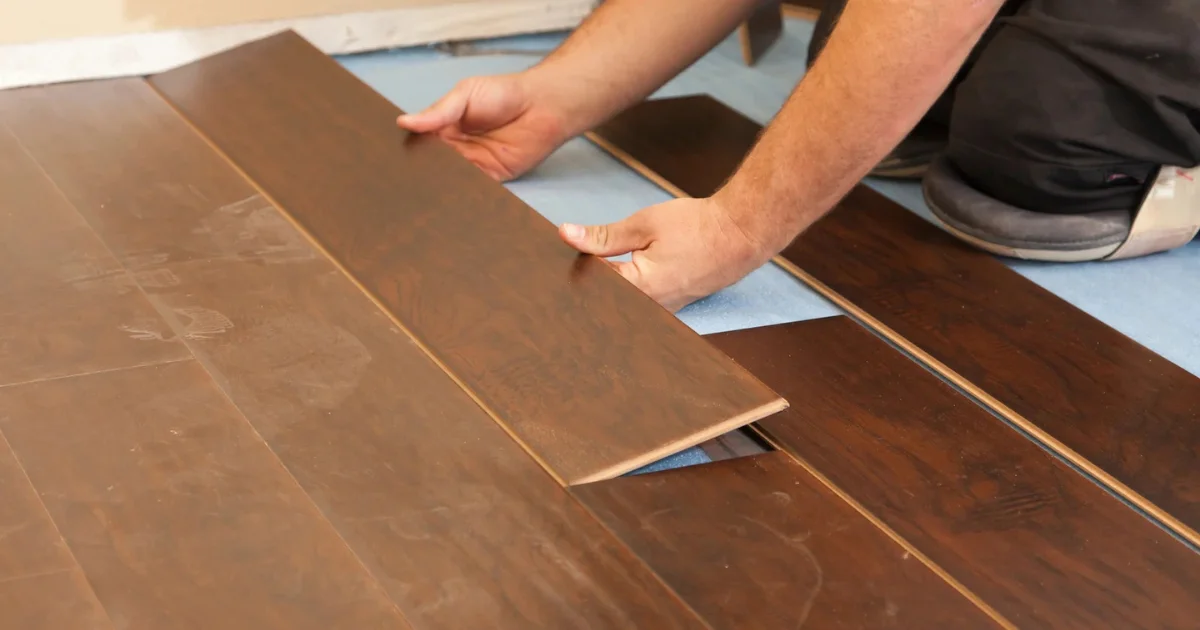
How to Care for Laminate Flooring the Smart South African Way

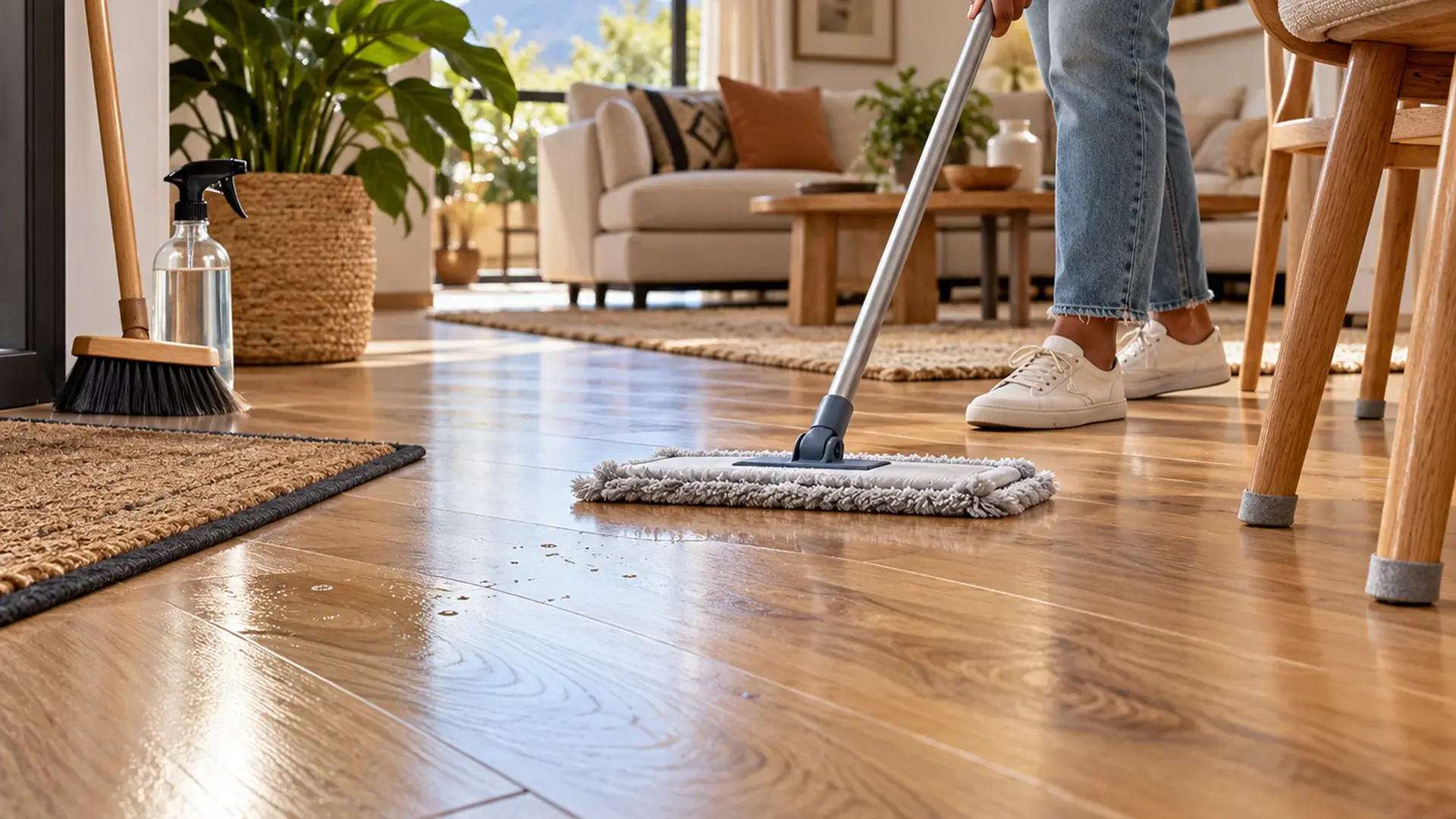
Care for laminate flooring becomes easier when you focus on the habits that matter most: keep grit outside, wipe spills up quickly and clean with as little moisture as possible. Sweep or vacuum regularly, use a lightly damp microfibre mop with a suitable pH-neutral cleaner and protect busy areas with mats and felt pads. These small steps help the floor stay clean, protected and attractive for years.
Laminate is designed for practical everyday living, but it is not identical across every range. Water resistance, cleaning recommendations and permitted equipment can vary. Always check the care instructions and warranty for your exact product before using a new cleaner or cleaning method.
Quick Answer
To care for laminate flooring, use a soft broom or a vacuum set for hard floors to remove dust and grit. Clean with a lightly damp microfibre mop and a laminate-suitable cleaner, then dry any visible moisture. Blot spills immediately. Avoid wax, abrasive tools and any steam cleaning method unless the manufacturer of your exact floor expressly allows it.
What You Will Learn
- The three essential rules for everyday laminate care
- A practical daily, weekly and monthly cleaning routine
- How to respond to spills, marks, pet accidents and scratches
- Which cleaning products and tools to avoid
- How to protect laminate from furniture, sunlight and changing conditions
- When a flooring problem needs professional attention
Three Essential Rules to Care for Laminate Flooring
If you remember only three things, make them moisture control, gentle cleaning and grit control. Together, they prevent many of the problems that cause laminate to lose its neat appearance before its time.
Use as Little Moisture as Practical
Many laminate floors resist everyday surface splashes, but that does not mean standing water is safe. Moisture can work into joints, edges and damaged areas. Use a lightly damp microfibre mop rather than flooding the surface. If the floor remains visibly wet after a pass, use a dry cloth or mop to remove the excess.
Choose Gentle, Suitable Cleaning Products
Use a cleaner identified as suitable for laminate and follow its dilution instructions. More product does not produce a better result. Too much cleaner can leave a dull film that attracts marks. Avoid scouring powders, abrasive pads, wax and floor polish unless the flooring manufacturer specifically calls for them.
Stop Grit at the Door
Dust, sand and small stones can act like an abrasive under shoes and furniture. This is especially relevant in busy South African homes, coastal areas and properties with direct access from a garden or patio. Place effective mats at entrances, shake them out regularly and sweep or vacuum the busiest routes before grit travels further into the home.
After a braai or a busy family weekend, a quick pass with a soft broom or a hard floor vacuum head can prevent repeated fine scratching. It is a simple habit, but it makes a visible difference over time.
An Easy Laminate Cleaning Routine
A practical routine makes it easier to care for laminate flooring without creating unnecessary work. Homes with children, pets, open doors or nearby building activity may need more frequent dry cleaning. Quieter rooms can often be cleaned less often.
Daily or Every Second Day
Sweep with a soft broom or vacuum using the hard floor setting. Give particular attention to entrances, kitchens, passages and the routes between living areas. Use a clean microfibre cloth to remove crumbs, paw prints and fresh spots before they become stubborn.
Weekly
After removing loose grit, clean the floor with a lightly damp microfibre mop and a pH-neutral cleaner that is approved for laminate. Apply the product according to its label rather than pouring water directly onto the floor. Work in manageable sections and dry any moisture that gathers near joints or skirtings.
This careful method is consistent with laminate maintenance guidance from Finfloor, which recommends dry cleaning first, prompt spill removal and minimal moisture during mopping.
Monthly or During a Change of Occupancy
Move loose rugs and smaller furniture so you can clean beneath them. Check felt pads and replace any that are worn, dirty or missing. Inspect areas near fridges, dishwashers, sliding doors and water dispensers for recurring moisture, lifted edges or unusual gaps.
A Five Minute Daily Reset
1. Shake out or vacuum entrance mats.
2. Sweep or vacuum the busiest path from the entrance to the living areas and kitchen.
3. Wipe sticky spots with a slightly damp cloth and dry the area.
4. Check quickly for water near appliances, pet bowls and exterior doors.
How to Deal With Spills, Stains and Small Accidents
To care for laminate flooring after spills or small accidents, respond quickly and follow the instructions for the exact product. The safest treatment depends on the type of mark and the product instructions for your floor.
Water and Other Spills
Blot the liquid immediately with an absorbent cloth or paper towel. Follow with a lightly damp cloth if needed, then dry the surface and joints. Do not leave a wet cloth or bucket standing on the floor. If liquid has remained for a long time, monitor the joints for swelling or lifting.
Food and Grease Marks
Start with a laminate-suitable cleaner on a microfibre cloth. If the product instructions allow mild dishwashing liquid, use only a small amount in water, wipe the mark gently and remove any residue with a separate lightly damp cloth. Dry the area afterwards.
Ink, Lipstick and Scuff Marks
Do not scrub aggressively. First check the manufacturer’s care guide for an approved spot treatment. If it permits isopropyl alcohol, place a small amount on a cloth, test it in an inconspicuous area and dab the mark without soaking the joint. Never mix cleaning chemicals.
Chewing Gum and Candle Wax
Allow the material to harden, using a sealed cold pack if necessary. Lift it gently with a plastic card held nearly flat. Avoid metal scrapers, knives and excessive force. Wipe away the remaining residue with an approved cleaner and dry the surface.
Pet Accidents
Blot the area immediately. Use a cleaner that is suitable for both laminate and the type of accident, applying as little liquid as possible. Dry the surface and joints completely. Repeated accidents in one location need special attention because moisture and odour may work into damaged joints or the underlay.
Scratches and Chips
A colour-matched laminate repair marker may disguise a light surface mark, while a suitable filler kit can improve some small chips. Test any repair product in a discreet area and follow its instructions. Serious damage, swollen edges or a compromised wear layer may require plank replacement rather than a cosmetic repair.
Cleaning Products and Methods to Avoid
To care for laminate flooring safely, do not assume that every popular household cleaner is suitable for the surface. Vinegar, bleach, ammonia, strong solvents and highly concentrated detergents can affect finishes or conflict with warranty requirements. Wax and polish may leave a slippery or streaky film because laminate does not normally need the same finishing treatment as traditional timber.
Steam cleaning is also product specific. Heat and moisture can damage joints on laminate that is not designed for steam cleaning. Only use a steam appliance if the manufacturer of the exact laminate range expressly permits it, and then follow every stated setting, pad and movement requirement.
For another practical reference, see the cleaning guidance from Kärcher South Africa, which emphasises using a suitable detergent and manually drying visible wet areas.
Protect Laminate From Furniture, Pets and Sunlight
To care for laminate flooring around furniture, place felt pads beneath chair, table and sofa legs. Lift furniture when moving it rather than dragging it. In a home office, use hard floor safe castors or a suitable protective chair mat.
Keep pet claws at a practical length and clean paw grit near entrances. Use stable mats beneath water bowls and check for spills rather than allowing moisture to sit unnoticed. Rugs can protect busy areas, but their backing must be compatible with the flooring. Follow the laminate and rug supplier guidance, and lift rugs periodically to clean and inspect the floor beneath them.
Strong sunlight can cause gradual colour change in many interior finishes. Use blinds or curtains during the brightest part of the day where necessary, and rearrange rugs or furniture occasionally so that exposed and covered areas age more evenly.
Care for Laminate in Different South African Conditions
To care for laminate flooring in changing South African conditions, keep the indoor environment reasonably stable. Coastal humidity, wet summer weather, dry inland winters and strong direct sunlight can affect different products in different ways. Avoid imposing one humidity target on every floor. Use the environmental range stated by the laminate manufacturer and maintain normal ventilation without exposing the floor to sudden extremes.
Use extraction where moisture is produced, wipe condensation near doors and windows, and deal with plumbing or appliance leaks promptly. Do not try to correct seasonal movement by soaking the floor or placing a heater directly against it. Persistent gaps, buckling or edge movement should be assessed with the installation conditions and expansion spaces in mind.
Warning Signs That Need Professional Attention
Stop and investigate if you notice swollen joints, lifted edges, spreading gaps, a soft or springy section, recurring dampness, persistent odour or visible water beneath a trim. Finding and correcting the moisture source comes before a cosmetic repair. Continued cleaning will not solve a leak, unsuitable subfloor condition or damaged plank core.
A flooring professional can determine whether an individual plank can be replaced or whether the problem extends further. Keep spare planks from the installation if possible, since colours and surface textures can vary between production batches.
Keep Your Laminate Looking Its Best
The best way to care for laminate flooring is to remove grit, respond to spills, use minimal moisture and prevent repeated scraping. A calm routine is more effective than occasional aggressive cleaning. Always place the instructions for your exact laminate range above general household advice.
If you are comparing finishes or replacing damaged boards, explore the available laminate flooring options. For advice suited to your room, floor condition and chosen product, contact Carpet & Decor for practical guidance and a quotation.
Frequently Asked Questions
Can I use a steam mop on laminate flooring?
Only use a steam mop if the manufacturer of your exact laminate range expressly permits it. Many products can be damaged when heat and moisture enter the joints, and unauthorised steam cleaning may affect warranty cover. If steam is permitted, follow the stated pad, temperature, movement and frequency instructions without adding your own assumptions.
What should I do if liquid reaches the laminate joints?
Blot the liquid immediately, then dry the surface and joints with an absorbent cloth. Do not apply more water in an attempt to rinse the area. Watch for raised edges, swelling, softness or a persistent odour. If the spill was substantial or the joints begin to change, identify the moisture source and request a professional assessment.
How can I stop furniture from scratching laminate flooring?
Fit clean felt pads beneath furniture legs and replace them when they become worn or collect grit. Lift furniture instead of dragging it, and use hard floor safe castors or a suitable protective mat beneath office chairs. Sweep under movable items regularly because trapped sand can scratch the surface even when protective pads are fitted.