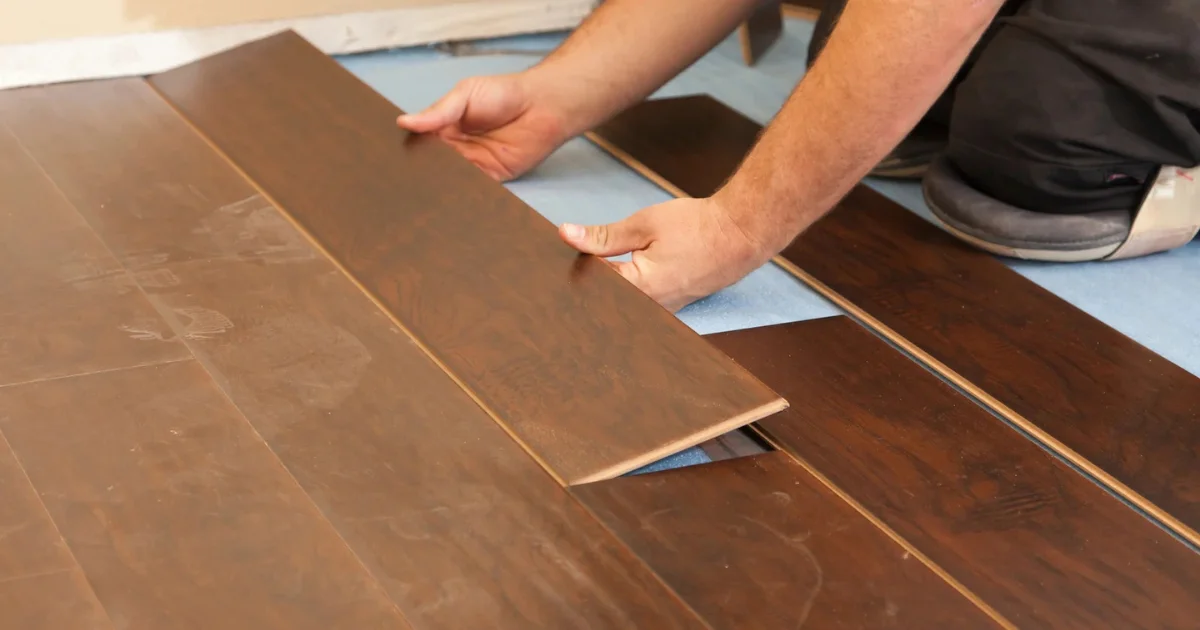
A Complete Guide to Different Types of Carpets for South African Homes

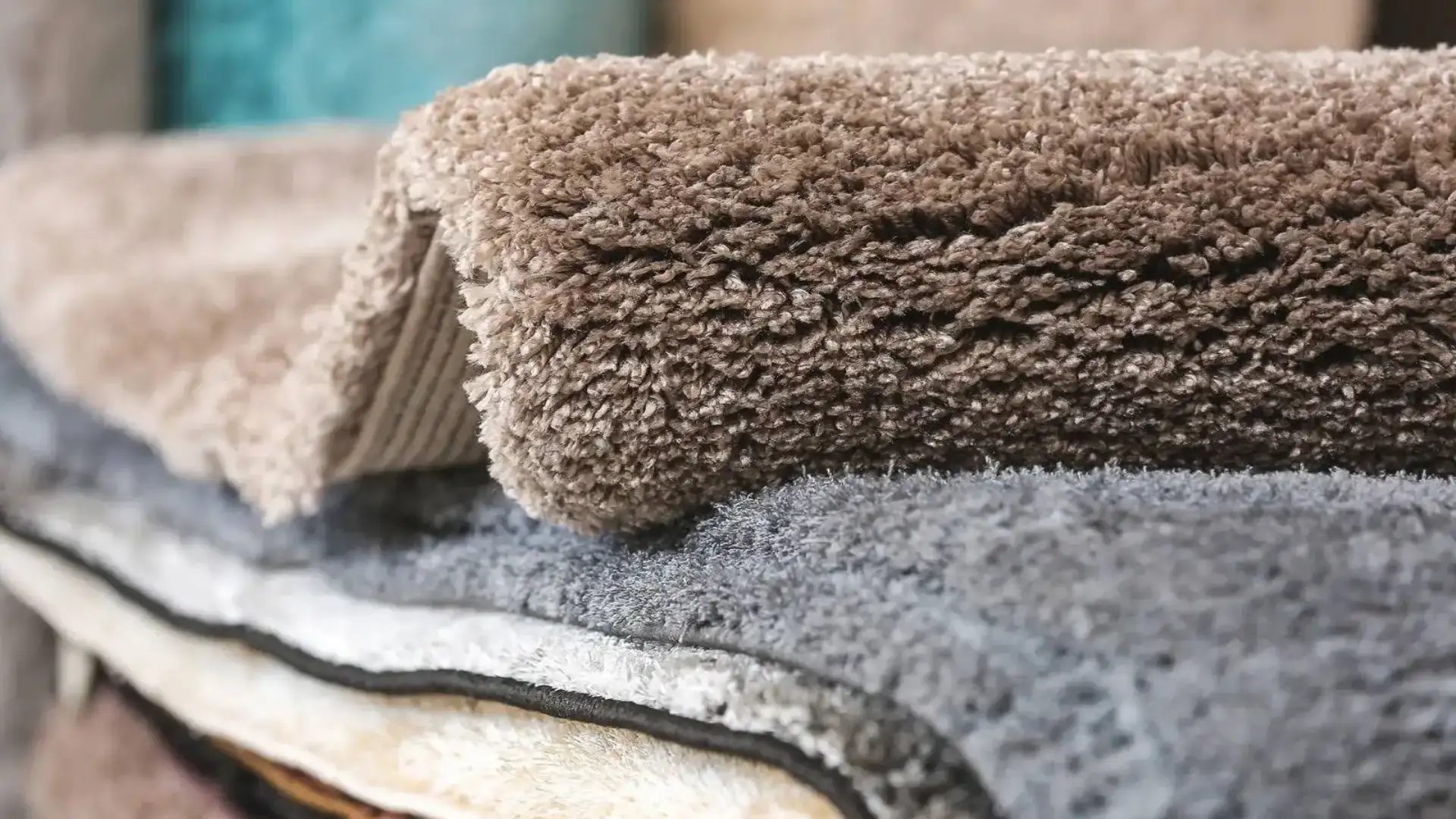
Choosing between different types of carpets becomes much easier when you separate three decisions: the fibre, the pile construction and the performance specification. Each affects how the carpet feels, how it responds to foot traffic and how practical it will be in your home.
South African homes also bring very different conditions into the decision. A bright room in Gauteng, a humid coastal apartment and a quiet inland bedroom do not place the same demands on a floor covering. The best choice is therefore not one universal carpet, but a product whose specifications suit the room, household and installation.
Quick Answer
Different types of carpets suit different rooms, traffic levels and household needs.
Nylon is often considered for busy areas because it is resilient, while wool is valued for comfort and a natural feel. Polyester can provide softness and strong colour at an accessible price, and polypropylene may suit selected practical or value-focused applications. Fibre alone is not enough, however. Compare construction, density, use classification, backing, underlay, warranty conditions and maintenance requirements before deciding.
What Are the Main Carpet Formats?
Before comparing different types of carpets, decide whether the project needs a continuous wall to wall surface or a modular format. This first choice affects appearance, installation, maintenance and the way localised damage can be handled.
Broadloom Carpet
Broadloom carpet is manufactured in wide rolls and is normally installed from wall to wall. It is common in homes because it creates a continuous, comfortable surface with relatively few seams when the room dimensions suit the roll width. Broadloom is available in many fibres, colours and pile constructions, so the format itself does not determine quality or durability.
Accurate measuring and professional planning are important. Room shape, roll width, pattern direction and seam placement all influence the quantity required and the final appearance. The carpet, underlay and installation method should be specified as one system.
Carpet Tiles and Carpet Planks
Carpet tiles and carpet planks are modular pieces that can be arranged in a single colour or combined to create patterns and zones. They are widely used in commercial interiors, home offices and other spaces where access, phased installation or local replacement may be useful. Some products can be replaced individually after damage, provided matching stock remains available.
Modular carpet still needs a sound, level and dry substrate. The backing, adhesive or approved fixing method, installation direction and intended traffic classification must all suit the project. A residential broadloom carpet and a commercial carpet plank solve different problems, even when their surface textures appear similar.
How Do Different Types of Carpets Compare by Fibre?
Different types of carpets use fibres that vary in softness, resilience, colour, stain response and price. A well-constructed carpet made from a value-focused fibre may be more suitable for a particular room than a poorly matched premium option.
Nylon and Solution Dyed Nylon
Nylon is widely used where resilience matters. Its fibres can recover well after compression, making suitable products worth considering for living rooms, passages, stairs and active family areas. Performance still varies according to yarn construction, density, backing and the manufacturer’s intended use classification.
Solution-dyed nylon receives its colour during fibre production rather than only through a later surface dye process. This can improve colourfastness and resistance to certain stains, but it does not make every product immune to fading, spills or unsuitable cleaning chemicals. Check the technical data and warranty for the exact range.
Wool and Wool Blends
Wool offers a warm, comfortable feel and can create a refined finish in bedrooms, lounges and formal living areas. It has natural resilience and insulating qualities, but it normally requires prompt spill care and cleaning methods that are approved for wool.
Blends combine wool with a synthetic fibre to balance feel, resilience, price or maintenance. The ratio alone does not predict performance, so compare the complete specification and the use rating rather than assuming that every blend will behave in the same way.
Polyester and Triexta
Polyester is known for softness, rich colour and good resistance to many water-based stains. Dense, well-twisted products can work well in bedrooms, guest rooms and lounges with moderate traffic. In busier areas, compare recovery and wear performance carefully because some constructions may flatten sooner than a suitable nylon carpet.
Triexta is a distinct synthetic fibre that is often positioned between polyester and nylon in terms of softness and resilience. It can be a practical family home option when the selected product carries an appropriate residential use rating and the warranty matches the room.
Polypropylene
Polypropylene, also called olefin, is colourfast and resistant to many water-based stains. It is used in certain loop carpets and value-focused ranges. It can be useful in selected rentals, play areas and low to moderate traffic rooms, but it is generally less resilient under sustained compression than nylon. Heavy furniture, heavy traffic and oily soil should therefore form part of the decision.
How Does Carpet Pile Change Performance?
Different types of carpets can feel and perform differently depending on whether the yarn is cut, twisted or left in loops.
Pile describes how the yarn appears at the surface. The same fibre can feel and perform differently when it is cut, twisted or left in loops. Construction also changes how readily the carpet shows footprints, vacuum marks, seams and traffic lanes.
Plush and Saxony Cut Pile
Plush and Saxony carpets have an even, smooth surface that suits calm bedrooms and formal spaces. Their uniform finish can make footprints and vacuum lines more visible. If the room receives daily family traffic, compare appearance retention and choose a specification intended for that level of use.
Textured Cut Pile and Twist Pile
A textured cut pile uses yarn direction and twist to create a less uniform surface. This can make everyday tracking less noticeable. Twist pile, sometimes described as frieze, has a more defined texture and can be a forgiving choice for informal living areas. Yarn twist is only one factor, so it should be considered alongside density and use classification.
Loop Pile
Loop pile leaves the yarn loops intact, creating a firm and often practical surface. Tight, low loops can suit passages, home offices and selected stairs when the product is approved for the application. Large or loosely constructed loops may catch on claws or sharp objects, so households with pets should examine the surface carefully before ordering.
Cut and Loop Pile
Cut and loop carpets combine the two constructions to create texture or a subtle pattern. The variation can disguise light footprints and add visual interest without relying on a bold colour. Pattern scale and seam placement should be checked across a larger sample because a small swatch may not show the complete repeat.
Which Carpet Specifications Matter Most?
When comparing different types of carpets, pile mass or face weight should never be considered on its own. Pile mass or face weight can help describe how much yarn is present, but a higher figure does not automatically mean better durability. Fibre type, yarn twist, pile height, density, tuft bind, backing and installation all affect the result. Specifications should be compared within a similar product category rather than treated as a single league table.
Carpet descriptions sometimes use broad labels such as entry level, medium grade or premium. These labels are not a substitute for measurable product information. Fibre identifies the material, pile describes the surface construction, backing supports the tufts or modular structure, and the use classification indicates the application for which the manufacturer designed the product.
Start with the manufacturer’s use classification and warranty. Confirm whether the carpet is intended for light or heavy residential traffic, stairs, castor chairs or commercial use where relevant. Read the exclusions as carefully as the headline warranty period, particularly those relating to installation, underlay, cleaning and appearance change.
The Carpet and Rug Institute guide to selecting carpet also recommends considering how the room is used, the expected traffic and the style that suits the space. These practical questions help narrow the range before colour becomes the deciding factor.
How Can You Compare Carpet Samples?
Compare different types of carpets by handling several samples in the room where the final product will be installed. Look at the colour in daylight and under the lamps used at night. Place the sample beside paint, furniture, blinds and adjoining floors so that undertones and transitions are easier to judge.
You can gently bend a sample to understand how closely the tufts are positioned and press the surface to compare recovery. These observations are useful for comparing appearance and feel, but they are not laboratory tests and should never replace the technical data sheet, use classification or warranty.
Ask to see a larger piece when the carpet has a pattern or strong texture. A small sample may hide the scale of the repeat and cannot show where seams will fall. Confirm the batch, as modest colour variation can occur between production runs.
How Should South African Conditions Affect Your Choice?
Different types of carpets respond differently to sunlight, moisture, dust, pets and household traffic.
Strong Sunlight
Large windows and sustained sunlight can affect colour over time. Ask for the product’s lightfastness information and compare samples in the actual room. Blinds or curtains can reduce direct exposure during the brightest hours. Solution-dyed fibres may offer useful colourfastness, but the warranty and product data remain the reliable basis for comparison.
Coastal Humidity and Moisture
Humidity alone does not make one fibre the automatic answer. The more important questions are whether the subfloor is dry, whether water can enter through doors or walls, whether the room is ventilated and whether the backing and adhesive suit the site. Carpet should not be installed over a damp substrate or used to conceal an unresolved moisture problem.
Dust, Pets and Busy Households
A textured surface and mid tone colour can make daily marks less obvious, but visual forgiveness is not the same as cleanliness. Choose a carpet that can be vacuumed effectively and follow the manufacturer’s care instructions. For pets, consider loop size, stain requirements and whether the chosen colour makes shedding more or less visible.
For households concerned about airborne particles, focus on a complete cleaning plan. Vacuuming frequency, suitable filtration, prompt spill treatment and periodic professional cleaning should match the home and product. Avoid assuming that one pile type will solve every allergy concern.
Underfloor Heating
Carpet may be compatible with underfloor heating when the complete floor build-up has suitable thermal resistance. The carpet and underlay must be assessed together, and the heating designer should confirm the permitted value and operating limits. BEAMA guidance on floor coverings and underfloor heating explains why the floor finish needs to be considered during system design.
Which Carpet Works Best in Each Room?
Different types of carpets may work better in particular rooms depending on traffic, comfort, cleaning and durability requirements.
Living Rooms
For a living room used every day, begin with an appropriate heavy residential rating. Textured cut pile, twist pile and selected loop products can all work. Nylon is often shortlisted for resilience, while a suitable wool blend can balance comfort and performance. The best answer depends on traffic paths, pets, direct sunlight and cleaning expectations.
Bedrooms and Guest Rooms
Bedrooms allow greater emphasis on softness because traffic is usually lower. Plush wool, dense polyester and comfortable blends may all suit the space. Consider how easily doors move over the finished height and whether the carpet and underlay are compatible with any heating system.
Stairs and Passages
Stairs and passages concentrate wear into narrow routes. Select a carpet specifically approved for stairs where required, with a construction that retains its appearance and can be fitted securely around edges. Tight loop or low textured products are often considered, but approval for stairs, backing strength and professional installation matter more than the style name alone.
Home Offices and Playrooms
A home office may need a firm surface that supports furniture and frequent chair movement. Confirm whether the carpet is suitable for castor chair use, or use an appropriate chair mat if permitted. In a playroom, prioritise cleanability, stain performance and a surface without large loops that may snag toys or claws.
Rental Homes
Rental flooring should be chosen for the expected traffic, cleaning arrangements and replacement strategy. A forgiving colour and texture can be useful, but the lowest initial price is not always the best value. Compare installation cost, expected service, repair options and warranty conditions before selecting a polypropylene, polyester or nylon product.
How Do You Balance Budget and Long-Term Value?
When comparing different types of carpets, budget for the complete installation rather than the carpet price alone. Budget for the complete installation, including uplift where necessary, subfloor preparation, underlay, grippers, profiles and fitting. Underlay influences comfort and support, but it must suit the carpet and the application. Reusing an unsuitable or damaged underlay can compromise the finish and may affect the warranty.
Spend according to traffic. A durable specification in the lounge, passage and stairs may provide better value than using the same soft carpet everywhere. Guest rooms can sometimes use a more economical product because they experience less wear. This room-by-room approach protects the budget without sacrificing performance where it matters.
How to Choose With Confidence
Choose between different types of carpets by beginning with the room, traffic level, sunlight, household needs and cleaning routine. Begin with the room rather than the colour. Record the traffic level, sunlight, household needs, subfloor condition, cleaning routine and any heating requirements. Shortlist fibres and constructions that meet those needs, then compare technical data, warranties and larger samples.
Explore Carpet & Decor’s wall-to-wall carpet collection to compare available colours, fibres and textures. Product availability and specifications may vary, so confirm the exact range before making a final decision.
If you would like help matching a carpet to a bedroom, lounge, passage, staircase or complete home, contact Carpet & Decor for practical advice, samples and a quotation.
Frequently Asked Questions
Does a higher pile mass always mean a more durable carpet?
No. Pile mass describes the amount of surface yarn, but durability also depends on fibre type, density, yarn twist, pile height, backing, tuft bind and correct installation. Compare pile mass only between broadly similar carpets, then check the manufacturer’s residential use classification, warranty conditions and suitability for the room’s expected traffic.
Is loop pile always the best carpet for stairs?
No. A tight, low loop carpet can perform well on stairs, but the exact product must be approved for stair use. Some textured cut piles and low twist constructions may also be suitable. Check the use classification, backing, edge appearance and fitting method, and use an experienced installer because stairs concentrate wear and require secure installation.
Should carpet and underlay be checked together for underfloor heating?
Yes. Both layers resist heat transfer, so their combined thermal resistance must suit the heating system and the room’s design. Ask for the carpet and underlay ratings, then confirm the permitted total with the heating supplier and flooring manufacturer. Installation details and maximum operating temperatures should be agreed before either product is ordered.