Most Ideal Spaces to Have Carpets in Your Home


The most ideal spaces to have carpets in your home are rooms where warmth, comfort and quieter acoustics matter most. Bedrooms, lounges, home offices and playrooms often benefit from carpet, while stairs and passages require more durable carpet choices.
This guide is for South African homeowners deciding which rooms to carpet, which materials to consider and where another flooring option may be more practical.
Quick Answer
Bedrooms, lounges, home offices and playrooms are among the best spaces for carpets in your home because they benefit from warmth, comfort and softer acoustics. Carpet can also work on stairs, landings and passages when you choose a durable fibre and suitable pile. Kitchens and bathrooms usually need flooring that handles moisture and spills more easily.
Which Rooms Benefit Most from Carpets in Your Home?
The best rooms for carpet are generally dry living spaces where comfort and noise control are more important than resistance to water. Room use should guide the final decision. A soft bedroom carpet has different performance requirements from carpet fitted in a busy passage or on a staircase.
Bedrooms
Why is carpet a good choice for a bedroom?
Carpet is a good bedroom flooring choice because it creates a softer and warmer surface beside the bed. It can also help make footsteps and general room sounds feel less noticeable. This added comfort can be especially welcome during colder South African mornings. A medium pile carpet may provide a comfortable feel without being unnecessarily difficult to maintain.
Wool blends, nylon and other suitable residential carpet fibres may work well in bedrooms. The right option depends on your budget, cleaning preferences, household needs and the amount of sunlight entering the room. Colour also affects how the room feels. Lighter neutral colours can support a calm interior, while patterned or textured carpets may conceal minor marks more effectively.
Lounges and Living Rooms
Does carpet work well in a lounge?
Yes, carpet can work well in a lounge because it provides a comfortable surface and can soften some of the sound produced by conversations, televisions and everyday movement. The lounge is often one of the busiest shared spaces in the home. Choose a carpet that can tolerate the expected foot traffic while still supporting the room’s design.
A dense twist pile or suitable cut pile may work well in a formal lounge or family living room. Homes with children or pets may need a carpet that is easier to clean and less likely to show everyday marks. Strong sunlight should also influence the decision. If the lounge receives regular afternoon sun, ask about the carpet manufacturer’s documented colourfastness and sunlight performance rather than assuming every fibre will respond in the same way.
Home Offices
Which carpet is suitable for a home office?
A low pile carpet or suitable carpet tile is often practical in a home office. These options provide a firmer surface for office chairs while helping to soften footsteps and some room echo.
If the chair has wheels, confirm that the selected carpet and underlay are suitable for repeated chair movement. A protective chair mat may also help reduce concentrated wear.
Home offices where coffee, ink or other liquids are used may benefit from a carpet with suitable stain resistance. Product care instructions should always be checked before treating spills.
Playrooms and Nurseries
Is carpet practical in a playroom?
Carpet can be practical in a playroom because it provides a softer surface for sitting, crawling and playing. It can also reduce some of the sound created by toys and active movement.
However, softness should not be the only consideration. Playroom carpet should also be practical to clean and suitable for frequent use. A shorter, dense pile may be easier to vacuum than a very deep carpet. Patterned colours can help conceal minor marks between cleaning sessions. If toys have small wheels or moving parts, avoid carpet constructions that may obstruct their use.
Carpet does not prevent injuries and should not be treated as a safety guarantee. The complete room still needs suitable supervision, furniture placement and age appropriate safety measures.
Can You Use Carpet in Busy Areas?
Carpets in your home can also work in busy areas when the fibre, construction and installation suit heavier foot traffic. Stairs, landings and passages need a different carpet specification from quiet bedrooms. Durability, secure installation and ease of maintenance become more important in these spaces.
Stairs and Landings
What type of carpet works best on stairs?
A dense, firmly constructed carpet with a relatively low pile is generally more practical on stairs. It should resist crushing, sit securely over stair edges and suit the expected level of traffic.
Loose, thick or unsuitable carpet may affect how the stair edge feels underfoot. Installation should therefore be completed correctly, with careful attention to the stair shape, edges and transitions. Patterns and mid tone colours can make everyday marks less visible. Before choosing a product, confirm that the manufacturer recommends it for stair use.
The Carpet and Rug Institute advises homeowners to consider carpet construction, expected traffic and the correct cushion when selecting carpet for the home.
Hallways and Passages
Is carpet suitable for a busy passage?
Yes, carpet can be suitable for a busy passage, but it should be chosen for durability rather than softness alone. Dense loop or twist constructions may cope better with repeated foot traffic than very plush carpet.
Passages near entrances may collect dust, grit and moisture from outside. Regular cleaning and suitable entrance mats can help limit the amount of dirt tracked onto the carpet.
Mid tone colours, textured finishes and subtle patterns are often more forgiving than very pale or solid dark colours. The selected carpet should still complement the adjoining rooms and flooring transitions.
Where Should You Avoid Fitted Carpet?
Fitted carpet is usually less practical in rooms where water, steam, food spills or frequent intensive cleaning are expected.
Kitchens and bathrooms normally require surfaces that can handle moisture more effectively. Dining rooms need a more balanced decision based on how the household uses the space.
Kitchens
Should you install carpet in a kitchen?
Fitted carpet is generally not the most practical choice for a kitchen. Cooking spills, food residue and water near sinks can make maintenance more difficult.
Flooring such as tile or suitable vinyl is normally easier to clean in this environment. A washable runner may provide some comfort in selected dry areas, but it should be positioned where it will not create a slipping or tripping risk.
Bathrooms
Can carpet be used in a bathroom?
Fitted carpet is generally not recommended for bathrooms because regular moisture and humidity can affect the carpet, backing, underlay and subfloor.
A moisture resistant hard floor is usually more appropriate. Washable bath mats can add softness where needed and can be removed for cleaning and drying.
Any flooring selected for a bathroom should suit wet conditions and provide appropriate slip resistance.
Dining Rooms
Is carpet a practical dining room flooring option?
Carpet can work in a dining room, but it requires careful consideration because food and drink spills are likely. A household that uses the dining room every day may find a cleanable hard floor more practical.
One alternative is a hard floor with a removable area rug beneath the table. This can add warmth and define the dining space while making broader floor cleaning easier.
If fitted carpet is preferred, choose a product that suits dining room traffic and follow the manufacturer’s cleaning guidance when spills occur.
Buyer Tip
Choose carpet according to how each room is used. Bedrooms can prioritise comfort, while passages and stairs need greater durability. Kitchens and bathrooms normally require flooring that handles water and spills more effectively.
How Should South African Conditions Affect Your Carpet Choice?
The performance of carpets in your home can be influenced by temperature, humidity, sunlight and everyday household routines. Carpet selection should reflect the conditions inside the specific home rather than relying only on general recommendations.
Colder Inland Areas
Can carpet make a room feel warmer?
Yes, carpet provides a warmer surface underfoot than many hard flooring options. A suitable underlay can add comfort and may improve the overall feel of the floor.
The amount of thermal benefit depends on the complete flooring system, building construction and room conditions. Carpet should not be presented as a guaranteed way to reduce heating costs.
Bedrooms and lounges in colder inland areas may benefit most from the warmer surface that carpet provides during winter.
Coastal and Humid Areas
Can carpet be installed in a coastal home?
Yes, carpet can be installed in a coastal home if the room remains dry and receives adequate ventilation. Persistent indoor moisture should be addressed before installation.
Carpet should not be fitted over a damp subfloor or used to conceal an existing moisture problem. Ask the supplier to assess the installation area and confirm whether the chosen carpet, backing and underlay suit the room. Regular ventilation and prompt attention to leaks are important in humid environments.
Sunny Rooms
Which carpet is suitable for a room with strong sunlight?
A carpet with documented resistance to fading may be more suitable for a room that receives regular direct sunlight. The result will still depend on the fibre, dye method, colour and duration of exposure.
Window coverings can help manage direct sunlight, but no carpet should be described as completely fade proof without supporting manufacturer information.
Compare carpet samples in the actual room where possible. Viewing the colour in natural and artificial light can help you make a more informed choice.
Homes with Pets
What should pet owners consider when choosing carpet?
Pet owners should consider cleaning needs, shedding, snagging and the possibility of stains. A shorter, dense carpet may be easier to vacuum than a deep pile.
Tight loop carpet can be durable, but exposed claws may catch in some loop constructions. Ask whether the specific carpet is suitable for a home with pets.
Spills and pet accidents should be treated promptly according to the manufacturer’s care instructions. Strong cleaning chemicals may damage some carpet fibres or colours.
Allergies and Indoor Dust
Can people with allergies have carpet in their homes?
People with allergies can have carpet, but cleaning routines and individual sensitivities should guide the decision. Carpet can collect dust and other particles, so regular vacuuming is important.
The United States Environmental Protection Agency recommends frequent cleaning and suggests considering a vacuum with a high efficiency particulate air filter to reduce dust accumulation. Its guidance on indoor particulate matter also notes that people with asthma or allergies should avoid the area while vacuuming where possible.
Anyone with significant asthma or allergy concerns should seek advice suited to their health needs rather than relying only on general flooring guidance.
Which Carpet Fibre Should You Choose?
Choosing the correct fibre for carpets in your home depends on the room, expected traffic, care requirements and available budget. No fibre is automatically best for every home. Compare the full product specification and warranty conditions before making the final decision.
Wool and Wool Blends
Where do wool carpets work best?
Wool and wool blend carpets often suit bedrooms and lounges where warmth, appearance and comfort are priorities. Their performance depends on the construction and the amount of use the room receives.
Wool requires appropriate care and may not suit every budget or household. Ask about stain treatment, cleaning instructions and suitability for the intended room.
Solution Dyed Nylon
Is solution dyed nylon suitable for busy homes?
Solution dyed nylon may be suitable for busy homes because many products are designed for durability, stain resistance and colour retention. Performance still varies between manufacturers and carpet ranges.
It can be considered for passages, stairs, family lounges and children’s rooms. Confirm the product’s residential use rating, warranty and care requirements before ordering.
Polyester and Triexta
Where can polyester or triexta carpet be used?
Polyester and triexta carpets may suit bedrooms, lounges and other residential comfort areas. Many options provide a soft feel and practical stain resistance, but durability differs between products.
The carpet’s density, pile construction and intended use rating matter as much as the fibre name. Compare actual samples and technical specifications rather than choosing on softness alone.
Polypropylene
Is polypropylene carpet suitable for a home?
Polypropylene carpet can be a more affordable option for selected residential rooms. It is often used where stain resistance and budget are important considerations.
Some polypropylene carpets may show compression sooner in heavily used areas. Check whether the specific product is recommended for the room and expected traffic level.
Does Carpet Pile Make a Difference?
Yes, carpet pile affects softness, durability, appearance and ease of maintenance. The best pile depends on how the room will be used.
Cut Pile Carpet
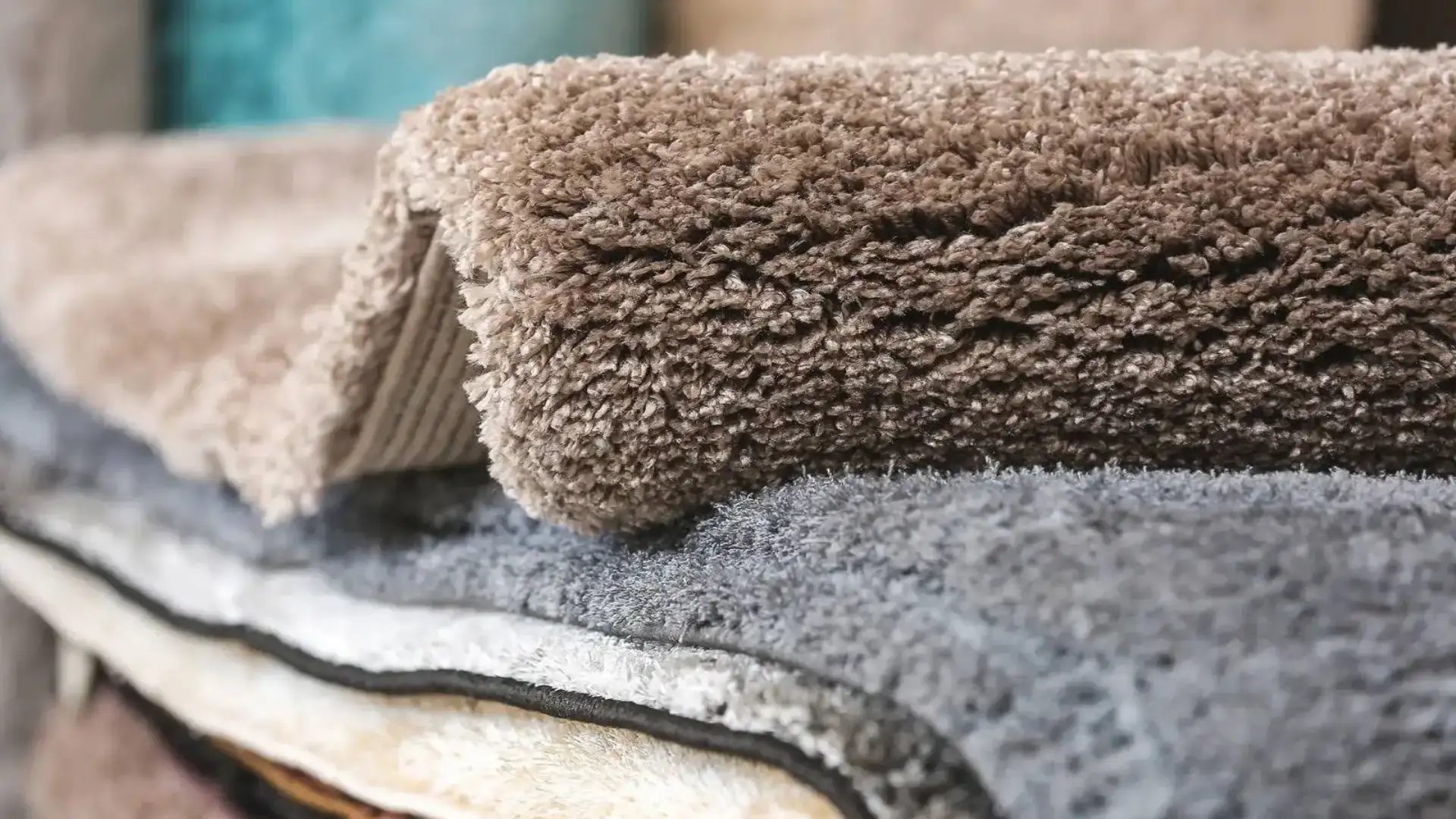
Cut pile carpet has exposed fibre ends that can create a soft, comfortable surface. Plush versions often suit bedrooms and quieter living spaces. Some cut pile carpets show footprints and vacuum marks more clearly than textured constructions. This should be considered in busy family rooms.
Twist Pile Carpet
Twist pile carpet has fibres twisted together to create a textured appearance. This construction can make everyday marks less noticeable. It may suit lounges, passages and other regularly used spaces, depending on the product’s density and use rating.
Loop Pile Carpet
Loop pile carpet uses uncut loops to create a firm and often durable surface. It can work well in passages, offices and other active areas. Households with pets should check whether claws may catch in the selected loop. Not every loop carpet behaves in the same way.
Why Are Underlay and Installation Important?
Underlay and installation affect how the carpet feels, performs and wears over time. The correct underlay should be selected for the carpet, room and subfloor.
An underlay that is too soft or unsuitable may affect carpet performance. Stairs, offices and other demanding spaces may need a different specification from a bedroom. The subfloor should be dry, clean, level and properly prepared before installation. Seams, edges and transitions should also be planned carefully.
Browse Carpet & Decor’s range of wall to wall carpets when comparing colours, fibres, textures and options for different rooms.
How Do You Choose Carpet Room by Room?
Choose carpet by matching the room’s main purpose with the required comfort, durability and maintenance level.
First, identify how the room is used and how much foot traffic it receives. Next, decide whether softness or durability is the stronger priority. Then compare suitable fibres, pile constructions and colours. Finally, confirm the correct underlay, installation method and product care requirements.
A bedroom may prioritise softness and warmth. A passage needs durability and easier maintenance. A home office requires a stable surface for furniture, while a playroom needs a practical balance between comfort and cleaning.
Which Spaces Should You Carpet First?
Bedrooms, lounges, home offices and playrooms are sensible places to consider first because carpet can improve comfort and soften everyday room noise.
Stairs, landings and passages can also be carpeted, but they need products designed for heavier use. Kitchens and bathrooms generally benefit from flooring that handles moisture and spills more effectively.
The most successful choice will suit the actual room, household and maintenance routine. Carpet & Decor can help you compare suitable carpets for your home according to the room, expected traffic, style and installation requirements.
Frequently Asked Questions
Which room is the best place to install carpet first?
A bedroom is often the best room to carpet first because it benefits from a warmer, softer surface and usually experiences less foot traffic than a passage. Lounges and home offices are also suitable choices. The final decision should reflect your household, cleaning routine, available budget and how the room is used.
What carpet is best for a busy family home?
A dense carpet with a suitable residential use rating is generally best for a busy family home. Solution dyed nylon, twist pile and selected loop constructions may suit active areas. Carpet & Decor can help you compare the fibre, density, stain resistance, colour and manufacturer guidance before selecting a carpet.
Should I put carpet in my kitchen or bathroom?
Fitted carpet is generally not recommended for kitchens or bathrooms because these rooms experience water, steam and frequent spills. Tile or suitable vinyl is normally easier to clean and maintain in wet areas. A removable washable mat can add softness but should be positioned carefully to reduce slipping or tripping risks.
Is carpet suitable for a home with pets?
Yes, carpet can be suitable for a home with pets when you choose a practical construction and maintain a regular cleaning routine. A shorter, dense pile may be easier to vacuum, while some loop carpets can catch on claws. Confirm that the selected carpet suits pets and follow the manufacturer’s cleaning instructions.
How do I choose the correct carpet for each room?
Consider the room’s foot traffic, moisture exposure, sunlight, comfort requirements and cleaning routine. Bedrooms may prioritise softness, while stairs and passages require greater durability. Home offices need a stable surface for furniture. Compare the carpet fibre, pile, colour, underlay and residential use rating before making your final selection.